
Zhang Wanneng, Chairman of HealthyWay, Attends the 3rd Digital Health Conference on Liver Disease to Jointly Discuss New Ideas for Human-Machine Collaborative Diagnosis and Treatment
On August 29, the "2026 3rd Digital Health Conference on Liver Disease & Annual Academic Meeting of the Liver Disease Special Committee of China Medical Education Association", co-hosted by China Medical Education Association and Beijing Chen Jumei Public Welfare Foundation, was held in Chongqing.
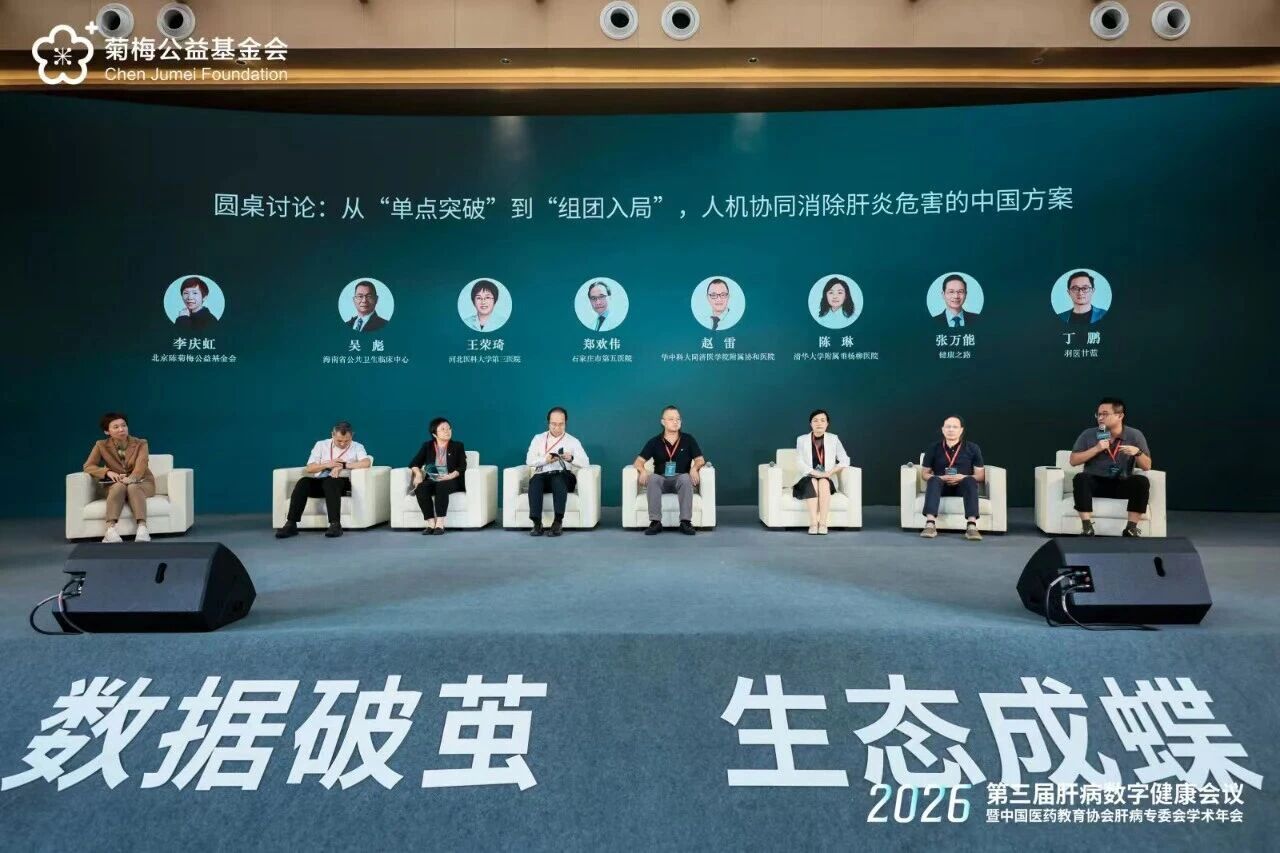
Mr. Zhang Wanneng, Chairman of HealthyWay, attended the conference as a specially invited expert, and shared HealthyWay's in-depth practices and forward-looking insights in the AI medical field during the roundtable discussion session.
With the theme of "Breaking the Cocoon with Data, Transforming into a Butterfly Through Ecosystem", this year's conference gathered top domestic experts in the fields of liver disease and digital health, including Professor Jia Jidong and Professor Hu Peng. The conference pointed out that hepatitis prevention and treatment is a key component of the "Healthy China 2030" strategy. Digital technologies such as artificial intelligence and big data are bringing revolutionary opportunities to liver disease diagnosis and treatment, and the human-machine collaborative diagnosis and treatment model as well as full-cycle digital management are reshaping the entire process of liver disease prevention and treatment.
In the roundtable dialogue, Chairman Zhang Wanneng noted that the most significant transformation brought by AI technology lies in its "parallel work" capability — unlike humans, AI can process massive tasks simultaneously with sufficient computing power support, breaking through the physiological limits of human physical and intellectual capabilities.
Based on this understanding, HealthyWay clearly divides AI agents into "front-end intelligence" and "back-end intelligence":
"Back-end intelligence": It serves to enhance doctors' capabilities and efficiency, such as assisting in scientific research and generating medical records;
"Front-end intelligence": It directly faces patients and replaces simple and repetitive labor.
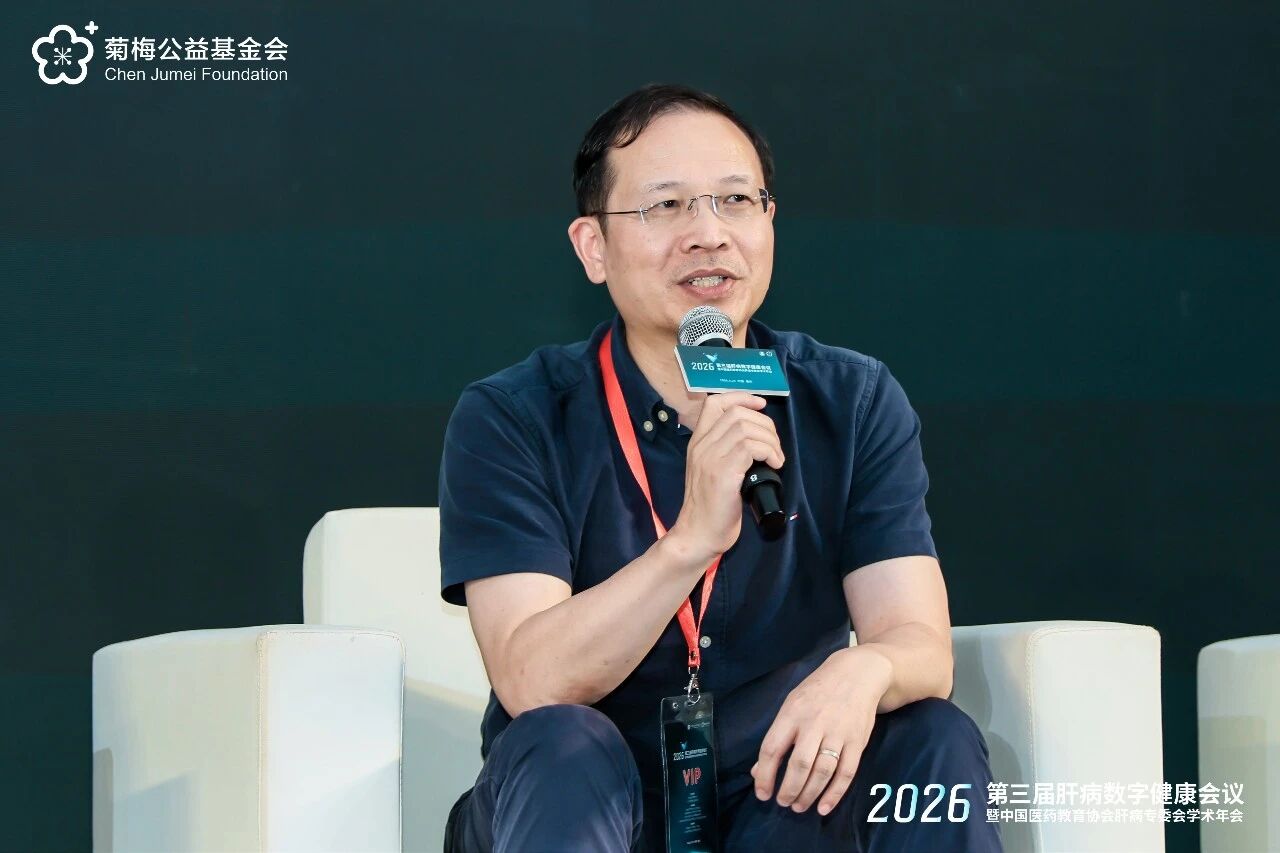
Zhang Wanneng proposed that the current opportunities and challenges in the industry are more concentrated on the front end. The industry should not only use AI to solve the problems of capability and efficiency at the back end, but also focus on the development and application of front-end agents that directly face patients and replace simple and repetitive labor.
This strategic direction has been rapidly implemented in HealthyWay's product system. For the medical service side, adhering to the concept that "every doctor needs an AI assistant", the company has launched a minimalist, easy-to-use, and self-evolving front-end agent — Xiao An Doctor Assistant.
The product design of Xiao An Doctor Assistant follows a simple logic: to allow doctors to use it as naturally as chatting in daily life. Through deep integration of high-frequency and natural interaction entrances, doctors can generate a dedicated agent by scanning a QR code, and complete training and task assignment through daily conversations.
This product can automate a large number of non-technical tasks such as follow-up visits, medication reminders, and data collection with AI, helping doctors free themselves from tedious affairs and devote their precious time to high-value diagnosis and treatment decisions and academic research.
At present, the in-depth integration of AI and healthcare has moved from technical exploration to a critical stage of scenario-based implementation. Leveraging its more than 20 years of accumulated capabilities in connecting doctors and patients and platform operation experience, HealthyWay has formed a differentiated practice path in the segmented direction of "front-end agents" for medical services — instead of pursuing the construction of a large and comprehensive platform, it focuses on the individual needs of each doctor, enabling the AI assistant to truly become a readily accessible working partner for doctors.
This exploration not only responds to the contemporary proposition of "human-machine collaboration" put forward by the conference, but also provides a referable and reusable industrial solution for the large-scale implementation of full-cycle liver disease management.
As a leading digital health medical service platform in China, HealthyWay has long been deeply engaged in connecting doctors and patients and empowering medical scenarios. The sharing at this top-level digital health conference on liver disease not only demonstrates the company's forward-looking vision in the field of AI medical applications, but also represents the company's pragmatic response to the contemporary proposition of "AI + healthcare". Aiming at the goal of eliminating the harm of hepatitis by 2030, HealthyWay will continue to focus on the R&D and implementation of AI agents, enabling artificial intelligence to move beyond concepts, enter clinical settings, and reach every doctor and patient, so as to contribute its platform strength to the construction of China's digital health ecosystem.